

Chemotherapy
Chemotherapy (also known as chemotherapeutic treatment) is a long-established and traditional method of cancer treatment. It was first used in the 1940s to treat leukemia and lymphoma. The mechanism of chemotherapy is to directly damage the DNA of cancer cells with drugs, or to prevent cancer cells from dividing, or to counteract nutrients necessary for DNA synthesis (such as folic acid).
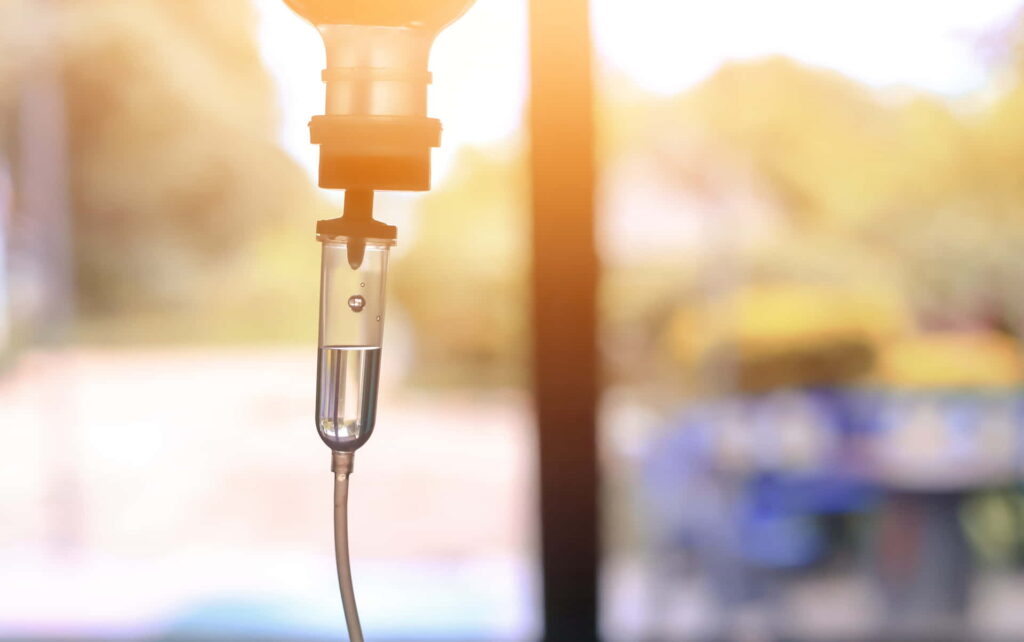
Cancer chemotherapy is characterized by its ability to induce rapid death and regression of tumor cells, making it suitable for rapidly growing tumors. For pricing information on each treatment course and cancer chemotherapy drugs, please contact the Hong Kong Yan Sang Cancer Centre.
Chemotherapy uses drugs that employ different methods to stop tumor cells from dividing, thus causing cancer cells to stop growing or die. Radiation therapy uses high-energy X-rays to destroy tumor cells. Combining cancer radiation therapy with chemotherapy can sometimes kill even more tumor cells.
What types of cancer are suitable for chemotherapy?
Chemotherapy is suitable for many different types of cancer, such as leukemia, lymphoma, Hodgkin's disease, multiple myeloma and sarcoma, as well as breast cancer, lung cancer and ovarian cancer.
Chemotherapy methods & procedures
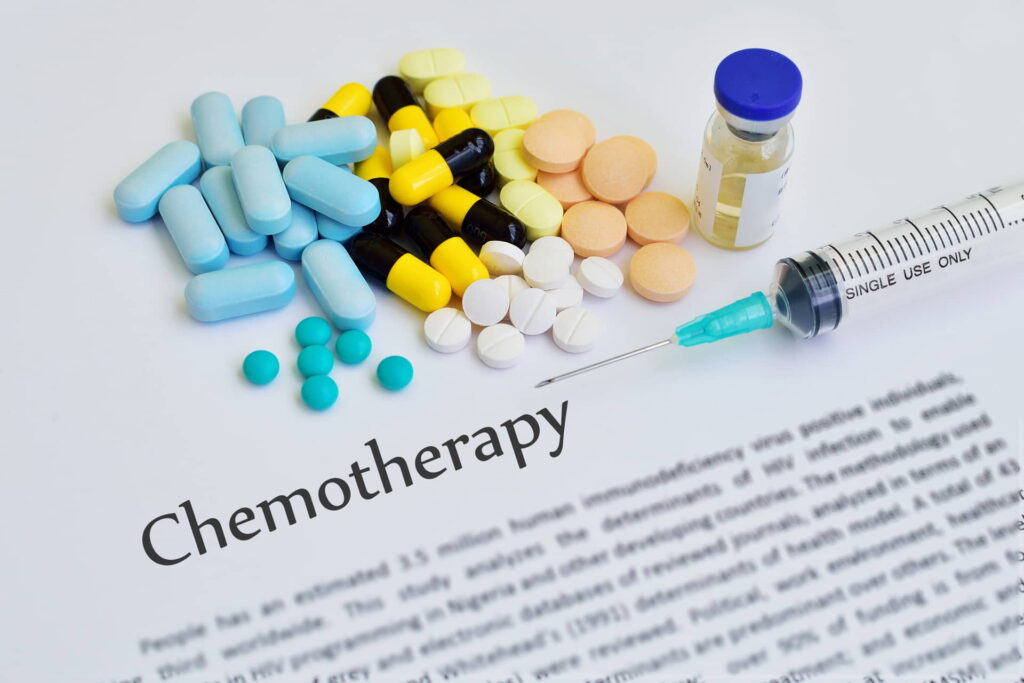
Common treatment methods include:
- Intravenous Injection
- Oral medication
- Subcutaneous injection
- Intramuscular injection
- Direct injection into the lesion
- Arterial perfusion
Before starting chemotherapy, the doctor will arrange a meeting with the patient to explain the entire chemotherapy process, the benefits and side effects of the medications, and will also collect blood and urine samples for testing. Once the tests are satisfactory, the patient or their family must sign a "Chemotherapy Consent Form" to indicate their agreement to undergo chemotherapy, after which the doctor will schedule the treatment.
During the treatment process, the doctor will prescribe medications and dosages based on the individual patient's condition and constitution. The patient or their family only needs to collect the medications from the pharmacy. Before and after chemotherapy, the nursing staff will measure blood pressure, pulse, and blood oxygen levels as reference indicators.
The side effects of chemotherapy

Chemotherapy cannot distinguish between cancer cells and normal cells, so during the treatment process, it can also damage normal cells, leading to various side effects.
- Fatigue
- Nausea and vomiting
- Weakened Immune System
- Hair Loss
- Oral ulcers
- Loss of appetite
- Constipation or diarrhea
- Itchy and Flaky Skin
- Nerve and Muscle Paralysis
- Brain Damage
- Fluctuating Hearing Loss
- Development of New Cancer
- Loss of Fertility
- Teratogenesis
During chemotherapy, patients need regular blood tests to monitor their body's response to the medication. If the blood test results are unsatisfactory, chemotherapy will be stopped until the blood cell count returns to normal before treatment resumes. Doctors will also administer appropriate medications as needed by the patient.
Hotline
-
Telephone Inquiry
New customer inquiry: 3001 5810
Existing customers: 2156 5838 -
WhatsApp inquiry
3001 5810 -
E-mail
enquiry@reviveonco.com.hk -
Opening Hours
Mon-Fri: 9:30am - 6:30pm
Sat: 9:30am - 1:30pm
Closed on Sundays and Hong Kong public holidays -
Mong Kok Clinic
12/F, Office Tower, Langham Place, 8 Argyle Street, Mong Kok, Kowloon
Fax: 3579 0153
EC Specialists Premium (PHF No.: DP000104)