

Immunotherapy
Immunotherapy is an innovative treatment method that utilizes the body's own immune system to fight cancer. It helps the body recognize and attack cancer cells by enhancing or altering the function of the immune system.

The human immune system is an important mechanism responsible for attacking foreign "invaders" such as bacteria and viruses to keep the body healthy. However, some cancer cells can emit signals that help them evade the immune system's attacks, even causing the immune system to lose its normal function. Therefore, cancer immunotherapy is a treatment that enables the immune system to recognize and eliminate cancer cells, usually administered through intravenous injection. This type of immunotherapy can be used for lung cancer, liver cancer, esophageal cancer, gastric cancer, and more. For inquiries about the costs of immunotherapy and the price per treatment session, please contact reVIVE Oncology and Cancer Centre in Hong Kong.
Immunotherapy was introduced in Hong Kong in 2015 and was initially approved for the treatment of advanced lung cancer, melanoma, and kidney cancer. Gradually, it has been approved for various other types of cancer, such as head and neck cancer, certain types of Mammary Cancer, stomach cancer, certain types of lymphoma, liver cancer, and so on. Besides advanced cancers, in recent years immunotherapy has also been used for some intermediate-stage cancers, such as maintenance therapy for stage 3 lung cancer that has undergone concurrent chemoradiotherapy and radiotherapy but is not suitable for other treatments.
Duration
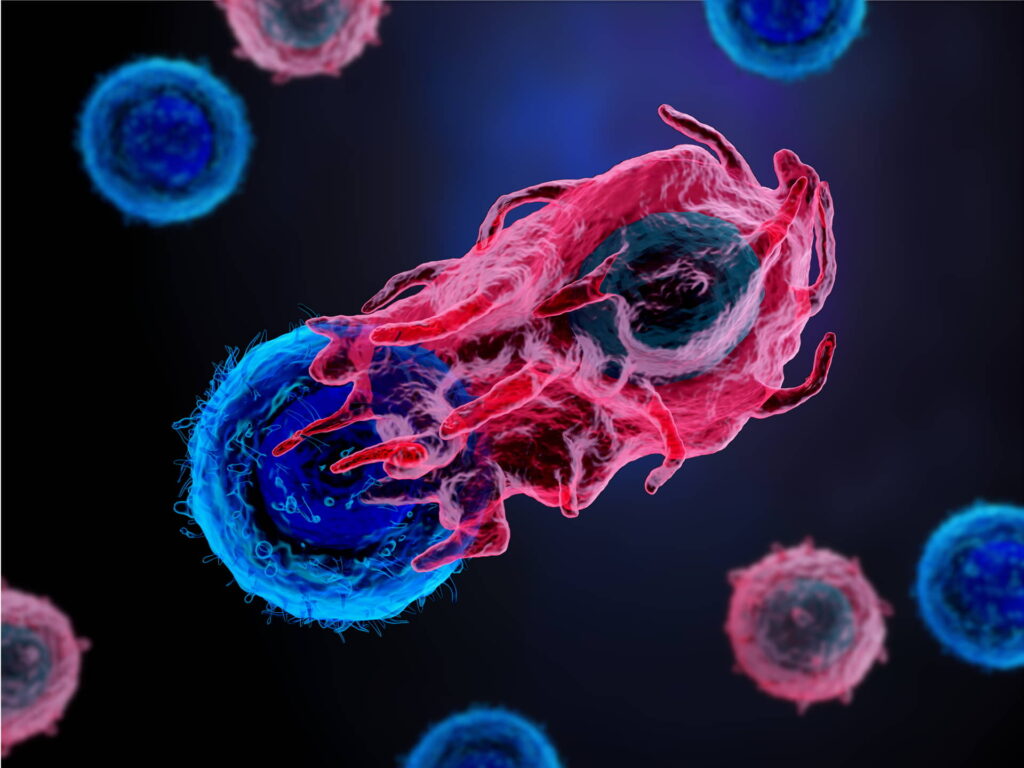
Currently, immunotherapy drugs are administered every 2 to 4 weeks, and for advanced tumors, it is ideal to continue treatment for at least 2 years before stopping. The most commonly used immunotherapy is called "checkpoint inhibitors." These drugs can block the binding of PD-L1 in tumor cells to PD-1 in immune cells. This blockage allows our immune cells to recognize tumors as enemies and launch an attack against them, assisting the immune system in actively eliminating cancer cells.
Immunotherapy vs. Other Cancer Treatments
Research shows that cancer immunotherapy can achieve longer-lasting remission because, after treatment, the immune system can remember cancer cells and continue to attack them. In contrast, the effects of Chemotherapy and Radiotherapy are usually short-term and may lead to drug resistance. Clinical studies indicate that the responses to immunotherapy are more durable, even maintaining effectiveness after treatment ends. Overall, the main difference between immunotherapy and traditional treatments is that:
- Immunotherapy targets the human immune system rather than the cancer itself.
- It stimulates the immune system to selectively identify cancer cells and attack them
- It provides the immune system with a lasting memory that allows it to recognize cancer over time, providing a long-lasting anti-cancer response
Immunotherapy is particularly suitable for the following cancers
- Lung Cancer
- Triple-negative Breast Cancer
- Melanoma
- Kidney Cancer
- Liver Cancer
- Hodgkin Lymphoma
- Oesophageal Cancer
- Stomach Cancer
- Cervical Cancer (a common type of Gynecological Cancer)
- Bladder Cancer
Brief description of the immunotherapy process
Immunotherapy for cancer is generally administered intravenously. In recent years, both domestic and international researchers have been developing oral immunotherapies. The frequency of immunotherapy can vary from once every two weeks to once every few months, depending on the following five factors:
- No impairment of healthy immune response and cell production
- The type and stage of cancer
- Types of immunotherapy received by patients
- The time required for recovery
- The patient's body's response to immunotherapy
Side effects of immunotherapy for cancer
Compared to traditional treatments, cancer immunotherapy works by strengthening the patient's immune system to achieve therapeutic effects; therefore, it may take longer to see results. However, its common side effects are also relatively mild, such as:
- Inflammation caused by the immune system of the internal organs
- Endocrine disorder
- Skin disorder
- Change in blood pressure
- Myalgia
- Fatigue
Hotline
-
Telephone Inquiry
New customer inquiry: 3001 5810
Existing customers: 2156 5838 -
WhatsApp inquiry
3001 5810 -
E-mail
enquiry@reviveonco.com.hk -
Opening Hours
Mon-Fri: 9:30am - 6:30pm
Sat: 9:30am - 1:30pm
Closed on Sundays and Hong Kong public holidays -
Mong Kok Clinic
12/F, Office Tower, Langham Place, 8 Argyle Street, Mong Kok, Kowloon
Fax: 3579 0153
EC Specialists Premium (PHF No.: DP000104)