

Targeted Therapy
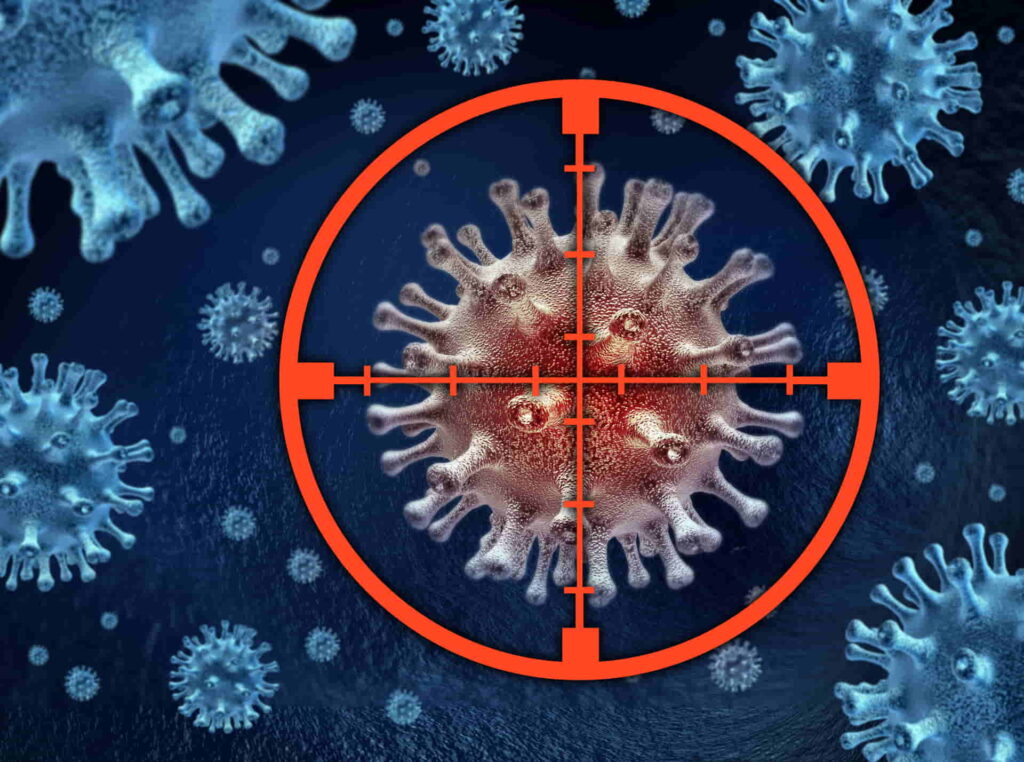
Targeted therapy is a precision treatment approach that targets specific molecular or gene mutations in cancer cells, selectively attacking cancer cells while minimizing damage to normal cells.
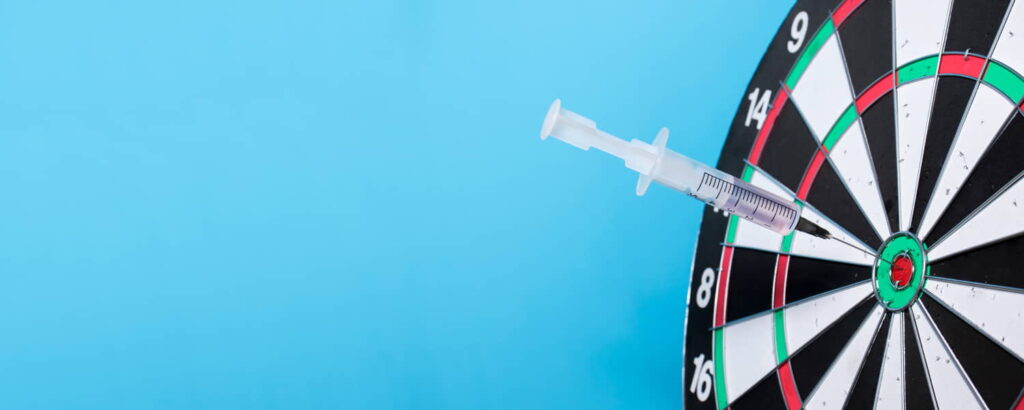
In the 1980s, scientists discovered that cancer cells rely on many growth factors and other substances to promote their growth. By blocking these growth factors, tumors will stop dividing. Cancer targeted therapy drugs are designed to identify the unique growth factor receptors on tumors, thereby preventing the growth of cancer cells. The analogy of targeted drugs to tumor receptors is like a key that only fits a specific lock, which results in less impact on normal cells during cancer targeted therapy. As a result, the side effects are generally fewer than those of traditional chemotherapy drugs, while effectively stopping the growth and spread of cancer cells. For inquiries about the costs of cancer targeted therapy and the prices of targeted drugs, please contact reVIVE in Hong Kong.
In the 1990s, targeted therapy for HER2-type breast cancer and chronic leukemia pioneered the era of targeted therapy. Since then, various targeted therapies have been approved for a variety of cancers, such as colon cancer, kidney cancer, liver cancer, stomach cancer, skin cancer, and lung cancer.
Common Types of Targeted Therapy Drugs
Signal transduction inhibitors
In some cancers, the malignant cells are stimulated to divide continuously without being prompted to do so by external growth factors. Signal transduction inhibitors interfere with this inappropriate signalling to inhibit malignant cell growth.
Angiogenesis inhibitors
Angiogenesis is the formation of new blood vessels. Blood supply is necessary for tumors to grow beyond a certain size because blood provides the oxygen and nutrients that tumors need for continued growth. Angiogenesis inhibitors block the growth of new blood vessels to tumors and thus may block tumor growth.
Apoptosis-inducing drugs
Apoptosis-inducing drugs cause cancer cells to undergo a process of controlled cell death called apoptosis.
Monoclonal antibodies attached to toxins
Once the antibody binds to its target cell, the toxic molecule that is linked to the antibody — such as a radioactive substance or a poisonous chemical — will be taken up by the cell and ultimately kills that cell. The toxin will not affect cells that lack the target for the majority of cells in the body will not be affected.
In recent years, the new concept of "antibody-drug conjugates" has been widely used as a new form of targeted therapy. Conventional targeted therapy focuses on the growth factor receptors on the surface of tumor cells. Antibody-drug conjugates not only identify these tumor cell surface receptors but also carry cytotoxic components that can be delivered to specifically kill cancer cells. The principle is similar to precision missiles equipped with satellite navigation systems that can find their targets and are armed with explosive components to precisely destroy the enemy target. Other forms of targeted therapy can block the blood vessels surrounding tumor cells, depriving them of their nutrient supply. Typically, targeted drugs that block angiogenesis are used in combination with Chemotherapy to enhance treatment efficiency.

Characteristics of Targeted Therapy Drugs
Oral administration (such as tablets or capsules) or intravenous injection are the most common methods of targeted therapy, while some targeted therapy drugs may also be administered via subcutaneous injection. However, the mechanisms of action of targeted therapy drugs differ from those of standard chemotherapy drugs. Targeted therapy drugs interfere with specific molecules involved in cancer cell growth and survival (the targets). In contrast, traditional chemotherapy drugs affect all actively dividing cells. Therefore, the side effects of targeted therapy drugs may be fewer than those of traditional chemotherapy drugs.
However, since targeted therapy is limited to patients whose tumor sites have appropriate targets that allow a particular targeted therapy drug to work, patients must meet certain specific conditions (such as the cancer not responding to other therapies or the cancer having spread) to be suitable for targeted therapy.
For inquiries about the costs of cancer targeted therapy, please contact the Ren Sheng Tumor and Cancer Center in Hong Kong.
Hotline
-
Telephone Inquiry
New customer inquiry: 3001 5810
Existing customers: 2156 5838 -
WhatsApp inquiry
3001 5810 -
E-mail
enquiry@reviveonco.com.hk -
Opening Hours
Mon-Fri: 9:30am - 6:30pm
Sat: 9:30am - 1:30pm
Closed on Sundays and Hong Kong public holidays -
Mong Kok Clinic
12/F, Office Tower, Langham Place, 8 Argyle Street, Mong Kok, Kowloon
Fax: 3579 0153
EC Specialists Premium (PHF No.: DP000104)