

Tumor and Cancer Treatment Plan
There's no need to be overly worried if you discover you have cancer or a tumor; Hong Kong has a high cancer survival rate. reVIVE Oncology and Cancer Centre is committed to providing patients with high-quality, effective, and comprehensive integrated medical care.

The medical team is composed of several specialists with extensive clinical experience, including senior oncologists, professional traditional Chinese medicine practitioners, and specialized nurses. They are dedicated to providing patients with professional cancer consultations, risk assessments, examinations, treatments, and nursing services. By integrating various Western and Chinese therapies along with advanced medical equipment, they offer comprehensive support to patients throughout their treatment journey.
Chinese and Western medicine - The trend in cancer treatment is towards a combination of Western medicine as the primary approach and traditional Chinese medicine as a supplementary approach. Western medicine uses advanced drugs and equipment to help patients fight tumors, while traditional Chinese medicine complements Western medicine to enhance patients' immunity and alleviate the discomfort associated with Western cancer treatment.
Personalized Cancer Treatment
Tumor cells are diverse, and each cancer patient's physical condition is different.
Cancer and Genetics
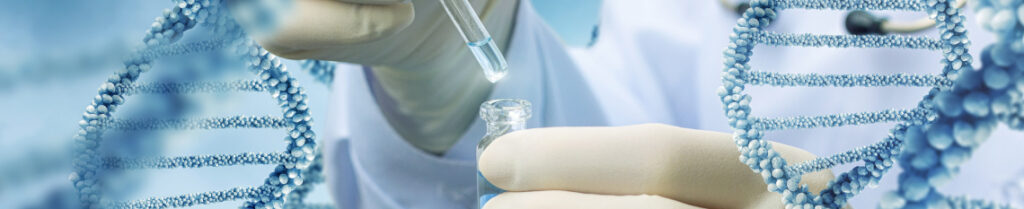
With the advancement of technology, cancer diagnosis and treatment are no longer determined solely by the location, stage, or type of tumor. Now, through cancer gene testing, such as the clinical application of Next Generation Sequencing (NGS) technology, specific mutated genes in tumors can be identified, thereby matching appropriate drugs (including targeted drugs and immunotherapy drugs) to improve treatment effectiveness and seize the golden period for diagnosis and treatment.
Diagnosis and treatment methods

We offer a variety of cancer treatment methods and select the most suitable treatment plan based on the patient's condition.
Multi-Disciplinary Team (MDT) Approach
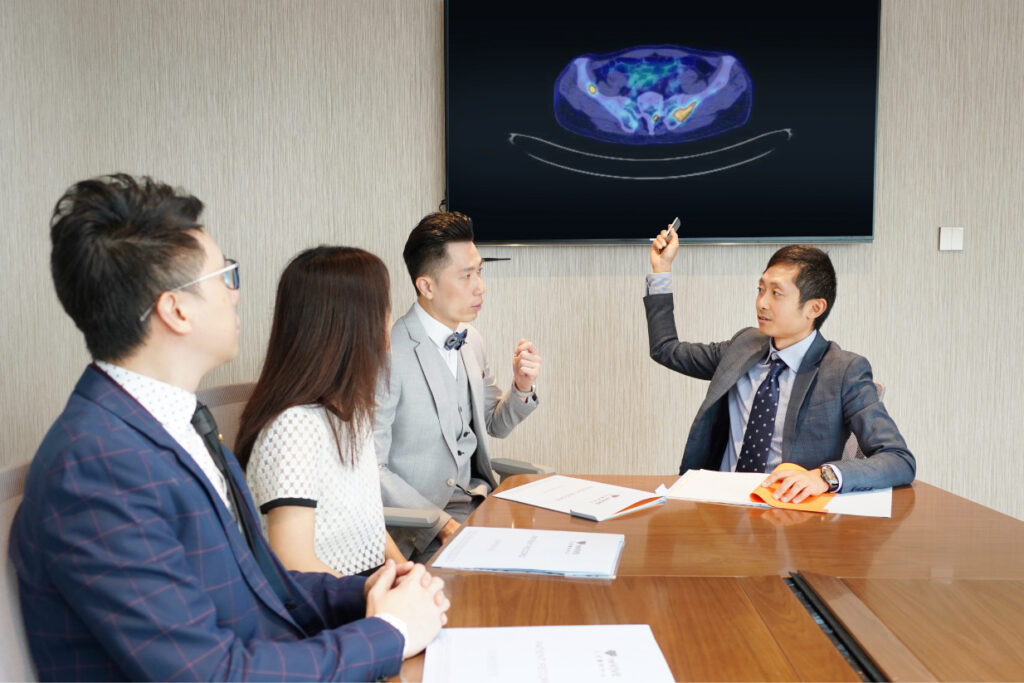
The Multi-Disciplinary Team (MDT) model for tumor consultation brings together multiple senior specialists, professional traditional Chinese medicine practitioners, and specialized nurses to develop and integrate cancer treatment strategies. This approach is no longer limited to a single therapy; instead, it flexibly formulates and combines various treatment methods based on the patient's condition. The goal is to provide the most comprehensive advice and recommend a personalized treatment plan that best fits the patient.
MDT approach simplifies the patient care process by allowing multiple experts to discuss and exchange information on the patient's cancer diagnoses and condition. After reaching a consensus, they suggest and explain the relevant treatment decisions to the patient. This saves time and effort on specialist referrals, simultaneously arranging multiple treatment options for the patient to seize the golden opportunity for treatment and quickly establish the most appropriate treatment plan.
Cancer FAQ
The formation of cancer is caused by a series of genetic mutations in cells that result in uncontrolled growth and the development of tumors.
In recent years, cancer treatment has shifted towards a "precision medicine" model, where genetic testing is conducted to identify gene mutations in cancer cells. Based on these genetic characteristics, the most suitable medications are prescribed, significantly increasing the likelihood of effective treatment. Additionally, different types of tumors may carry the same gene mutations, and genetic testing can transcend various cancer types to explore more treatment options. For example, if a lung cancer patient is found to have gene mutations
Hotline
-
Telephone Inquiry
New customer inquiry: 3001 5810
Existing customers: 2156 5838 -
WhatsApp inquiry
3001 5810 -
E-mail
enquiry@reviveonco.com.hk -
Opening Hours
Mon-Fri: 9:30am - 6:30pm
Sat: 9:30am - 1:30pm
Closed on Sundays and Hong Kong public holidays -
Mong Kok Clinic
12/F, Office Tower, Langham Place, 8 Argyle Street, Mong Kok, Kowloon
Fax: 3579 0153
EC Specialists Premium (PHF No.: DP000104)