



Pancreatic Cancer
Understanding the causes and symptoms of pancreatic cancer, effective prevention and treatment, improve survival rates
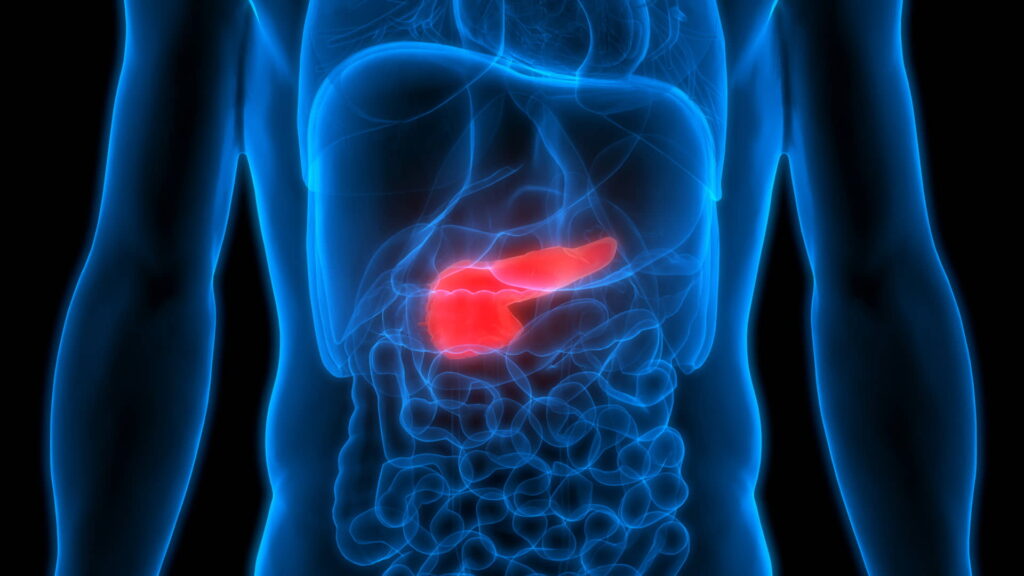
Pancreatic cancer is the fifth leading cause of cancer death in Hong Kong. It is likely caused by abnormal cell proliferation in the pancreas. Because the pancreas is located deep within the abdominal cavity and often presents with almost no symptoms in its early stages, it is difficult to detect. By the time it is diagnosed, it is usually in an advanced stage, making treatment even more challenging and resulting in a low survival rate after diagnosis.
According to research by the Hong Kong Cancer Registry, 813 people died from pancreatic cancer in 2020, accounting for 5.5% of all cancer deaths. Both its incidence and mortality rates have increased significantly over the past decade, with the number of deaths from pancreatic cancer jumping by 71.9% from 2010 to 2020.
Survival Rate for Pancreatic Cancer
Compared to other cancers, pancreatic cancer has a relatively low incidence rate, but its incidence rate is almost equal to its mortality rate, which is why it is so feared. The main reasons are that pancreatic cancer is difficult to detect in its early stages and has a high recurrence rate.
Because the pancreas is located behind the gastrointestinal tract and deep in the abdominal cavity, it is difficult to see clearly. In addition, there are almost no symptoms in the early stages, and even if symptoms do appear, they are easily mistaken for gastrointestinal discomfort and ignored.
Important Note: Clinically, up to 85% of patients are diagnosed at an advanced stage where surgery is no longer an option. Even among the 15% of patients who have the opportunity for surgery, 80% will relapse after treatment. Therefore, the survival rate after diagnosis is low, and the survival time of patients is shorter than that of patients with other cancers.
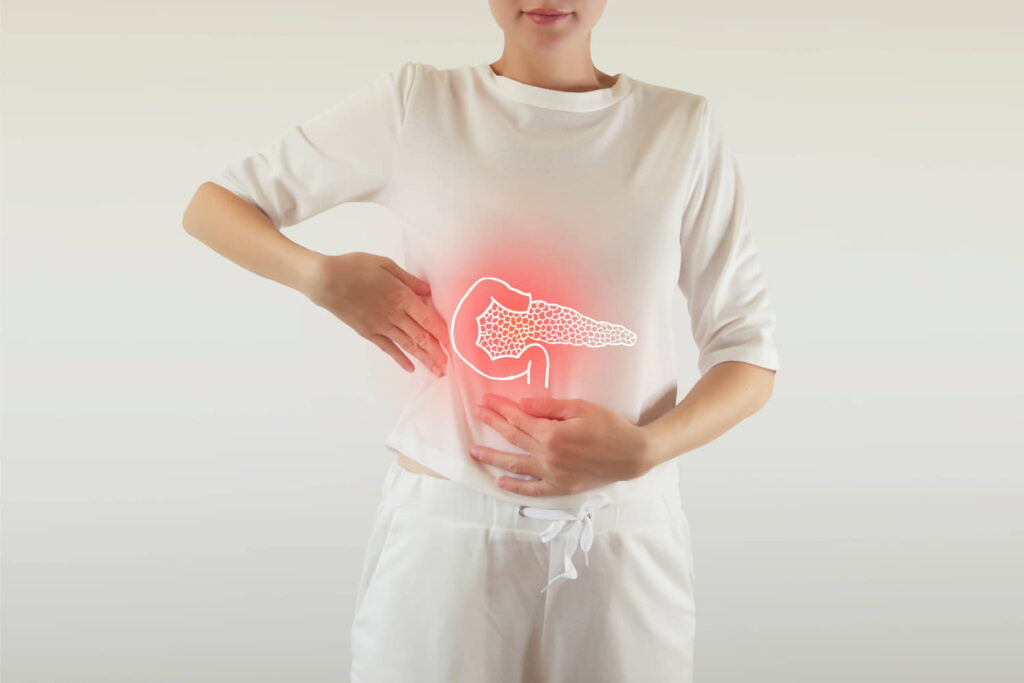
Causes of Pancreatic Cancer
The exact causes of pancreatic cancer are not fully understood, but the medical community believes that pancreatic cancer may originate from the mutation and proliferation of pancreatic cells.
Several risk factors may increase the chances of developing pancreatic cancer:
- Age: People over 65 years old have a higher risk
- Gender: Men have a higher risk than women
- Smoking: The chance of developing pancreatic cancer for smokers is 2 to 3 times higher than that of non-smokers
- Abnormal glucose metabolism: Diabetes increases the risk of developing pancreatic cancer
- Overweight: Overweight people have a higher risk
- Poor diet: Long-term excessive consumption of animal fats and insufficient intake of vegetables and fruits
- Exposure to chemicals: Prolonged exposure to pesticides, petroleum or dyes will increase the risk of developing pancreatic cancer.
- Chronic pancreatitis: Can be diagnosed together with pancreatic cancer
Symptoms of Pancreatic Cancer
The pancreas is located in the upper left abdomen, between the stomach and the spine. Due to its relatively hidden location, early-stage pancreatic cancer generally does not present with obvious symptoms.
- Dark urine, light-coloured stools (clay-coloured), occasional diarrhoea
- Jaundice(yellowing of the skin and eyes)
- Pain in the upper abdomen also the middle of the back that cannot be relieved despite change of posture
- Nausea, vomiting and weakness or extreme fatigue, dizziness and chills
- Loss of appetite or bloating
- Unexplained weight loss
These symptoms are easily mistaken for common gastrointestinal discomfort, leading to missed opportunities for timely treatment.

Pancreatic Cancer Screening and Evaluation
The doctor will first conduct a preliminary examination, understand the patient's medical history and conduct a physical examination, observe whether the whites of the patient's eyes and skin are yellowing, and press the patient's abdomen with his hands to see if there is any pain. If necessary, further examination and tumor assessment.
Blood Test
The examination includes checking the number and shape of blood cells, the concentration of individual proteins in the blood, and whether liver and kidney function are normal.
Abdominal ultrasound imaging
The instrument is used to observe the liver, pancreas, gallbladder, and bile ducts for any abnormalities. The sound waves emitted by the instrument are analyzed by a computer and converted into images. Doctors may also use an ultrasound endoscope with an ultrasound probe to improve image resolution.
Computed tomography scan (CT scan)
A CT scan generates X-ray images of body tissues from different angles to analyse the location, size, and distribution of the tumor, and its possible effects on the surrounding blood vessels, lymphoid tissues and organs.
Magnetic Resonance Imaging (MRI)
Using a magnetic field to create a cross-sectional image of the body, it can be used to observe whether there is cancer in the pancreatic duct wall or to scan the junction of the bile duct and pancreatic duct outside the patient to detect whether there is any obstruction.
Endoscopic retrograde cholangiopancreatography
Commonly known as “ERCP”, the procedure combines endoscopy with X-ray imaging to obtain images of the stomach and upper gastrointestinal tract. A contrast agent is injected into the pancreas and bile ducts for easy visualisation under radiography.
Biopsy
When a doctor chooses to perform a fine-needle aspiration procedure, a fine needle is inserted through the skin, and ultrasound or computer scanning is used to guide the position of the needle. When the needle reaches the tumor, the cell sample is taken. The sample tissue is processed and clearly evaluated using a microscope.
Doctors will determine the staging of the patient’s condition based on test results to decide on the appropriate treatment approach.
Treatment of Pancreatic Cancer
Treatment of pancreatic cancer depends on the stage of the cancer, the patient's age, overall health, and personal preferences.
The most important goal of treatment is to completely eliminate the tumor, but when that is not possible, the focus is on slowing the tumor's growth as much as possible or preventing it from causing further harm.
Therefore, in some cases, palliative care is the most suitable for individual patients.
- Radiology
Radiotherapy uses high-energy radiation to destroy cancer cells, allowing patients to recover after receive radiation therapy. The doctor may recommend simultaneous radiotherapy and chemotherapy.
- Chemotherapy
Chemotherapy involves using drugs to kill cancer cells, typically administered through intravenous injection or orally. These drugs enter the bloodstream and target larger areas of the tumor. While chemotherapy alone cannot completely eliminate cancer cells, it can relieve symptoms and improve quality of life. Additionally, Chemotherapy can also be used as an adjunct to treatment after pancreatic tumors have been removed during the course of treatment.
- Targeted Therapy
Targeted therapy directly addresses the mechanism of cancer cell mutation, proliferation, and metastasis by inhibiting the growth and repair of tumor cells via drugs. However, most of the targeted therapy drugs for pancreatic cancer are still in the clinical trial stage and are self-financed items in hospitals under the Hospital Authority.

After treatment, patients should continue regular follow-up consultations to allow doctors to monitor their condition and check for any signs of recurrence. If patients experience any discomfort, they should consult their doctors to assess the need for further examinations to identify the cause and initiate timely treatment.
Recovery and Rehabilitation of Pancreatic cancer
- Regular check-ups: If you suddenly experience discomfort, such as abdominal or back pain, unexplained weight loss, or even jaundice, nausea, and vomiting that persist for a period of time, you should seek medical attention immediately for further examination to determine if it is a sign of pancreatic cancer recurrence.
- Pay attention to your diet: Since the pancreas is an important digestive organ, patients must pay attention to their diet, such as eating smaller, more frequent meals and controlling portion sizes; eating less beans, cabbage, broccoli, and carbonated drinks to reduce gastrointestinal gas.
Pancreatic cancer protection
- Maintain a balanced diet and healthy lifestyle habits, and eat more fresh fruits and vegetables rich in antioxidants.
- Absorbing enough calories every day, eating at regular times, and maintaining a stable secretion of digestive juices
- Quitting smoking and avoiding secondhand smoke are crucial. Nicotine can also hinder the secretion of digestive enzymes by the pancreas and other digestive organs, causing indigestion and inflammation, and increasing the risk of pancreatic cancer and duodenal ulcers. Secondhand and thirdhand smoke have the same harmful effects, so everyone should avoid inhaling them.
Pancreatic Cancer FAQ
The pancreas is located deep in the abdomen. A part of the pancreas lies between the stomach and the spine, while the other part is found in the curvature of the duodenum (the first part of the small intestine). Because of its deep location, most pancreatic tumors are not palpable when applying pressure to the abdomen. In addition, pancreatic cancer usually has no symptoms until the tumor begins to interfere with the function of the pancreas or other nearby organs, such as the stomach, duodenum, liver, or gallbladder. These lead to the late diagnosis of cancer.
Although the overall prognosis is poor and the disease is mostly incurable, pancreatic cancer is potentially curable if caught early. As many as 10% of patients who undergo early evaluation are free of disease after diagnosis and treatment.
The pancreas plays an essential role in the digestive system, and also controls endocrine functions such as regulating blood sugar levels. The digestive system normally works in this way: the food flows from the mouth to the stomach through the oesophagus and then is broken down by stomach acid. The partially digested food flows directly into the first part of the small intestine (duodenum). Bile from the liver and digestive enzymes from the pancreas enter the digestive system in the duodenum. The duodenum leads to the rest of the small intestine, where the food will be further digested and then delivered to the large intestine (also known as the colon). Lastly, the fully digested substance (our poop!) passes through the anus to defecate.
It is recommended to eat a variety of fruits and vegetables every day. Whole grains, beans, mushrooms, and seafood are rich in selenium, and eating more of these can reduce the burden on the body. When eating meat, remove the skin first, reduce the use of sauces, avoid high-salt foods, and reduce the intake of sugary drinks and sweets.
Fruits and vegetables containing vitamins A, C, and E, as well as the trace element selenium, all have excellent antioxidant effects. It is recommended to eat a variety of fruits and vegetables every day, ideally in a colorful array.
Maintaining a certain daily calorie intake is essential to supply the body's needs. If there is a lack of calories, the body will mistakenly break down muscle to make up for the lack of calories, which can easily cause insulin resistance and damage the pancreas. Eating at fixed times can stabilize the secretion of digestive juices, maintain the body's hormonal balance, maintain stable blood sugar levels, and promote a peaceful mood.
References
1. Cancer Foundation: Understanding Cancer: Pancreatic Cancer
https://www.cancer-fund.org/wp-content/uploads/2017/04/pancreas-june17C.pdf
2. https://www.liver.org.tw/journalView.php?cat=61&sid=783&page=1
3. https://www.cancer.gov.hk/tc/hong_kong_cancer/cancer/cancer_fatal.html
Hotline
-
Telephone Inquiry
New customer inquiry: 3001 5810
Existing customers: 2156 5838 -
WhatsApp inquiry
3001 5810 -
E-mail
enquiry@reviveonco.com.hk -
Opening Hours
Mon-Fri: 9:30am - 6:30pm
Sat: 9:30am - 1:30pm
Closed on Sundays and Hong Kong public holidays -
Mong Kok Clinic
12/F, Office Tower, Langham Place, 8 Argyle Street, Mong Kok, Kowloon
Fax: 3579 0153
EC Specialists Premium (PHF No.: DP000104)