



Liver Cancer
Understanding the causes and symptoms of liver cancer, effective prevention and treatment, improve survival rates
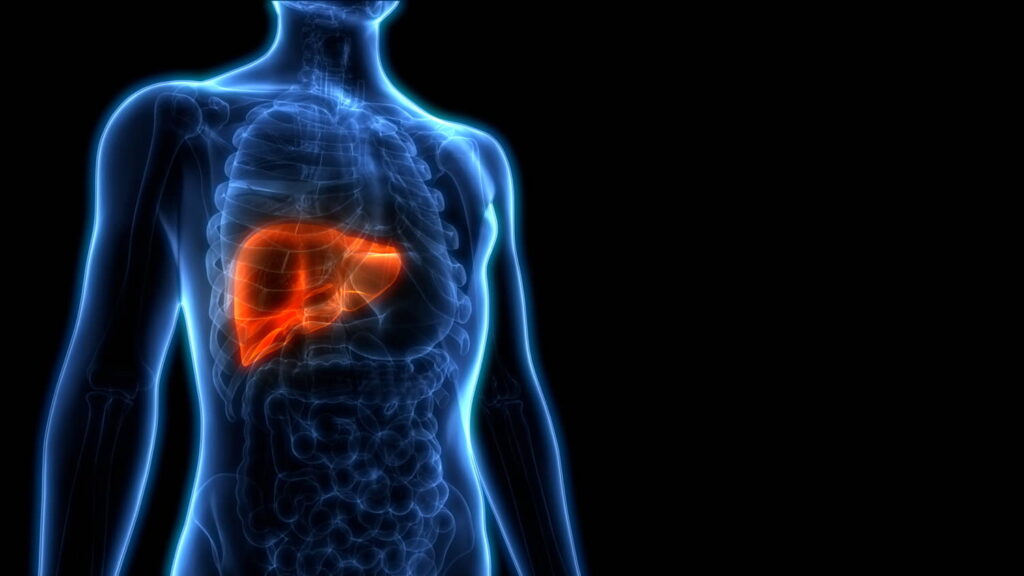
Liver cancer is the third leading cancer killer in Hong Kong, after lung cancer and colorectal cancer. The causes of liver cancer are related to viral infection, environmental pollution, alcoholism, eating mold-containing food, etc. Liver cancer is divided into primary liver cancer and metastatic liver cancer. The symptoms of liver cancer are not obvious in the early stages. In the middle and late stages, the tumors gradually become larger, making diagnosis and treatment more difficult. The survival rate of liver cancer patients after diagnosis and treatment is closely related to the detection and diagnosis and treatment time. Therefore, it is recommended to seek medical treatment as soon as symptoms are discovered.
The liver is an important organ in the human body and the only organ that can repair damage on its own. It is responsible for various important functions such as absorbing useful substances, detoxification, producing proteins, storing vitamins and minerals, and promoting red blood cell metabolism. If liver cells go through abnormal division and mutation, liver cancer will develop and severely affect the body.
Survival Rate of Liver Cancer
The Hospital Authority stated that liver cancer ranks third among the deadliest cancers in Hong Kong, with approximately 1,800 new cases diagnosed each year, 75% of which are male and concentrated in the elderly.
60%
Five-year survival rate of Phase I and II
30%
Phase III five-year survival rate
10%
Phase IV five-year survival rate
Symptoms of Liver Cancer
Liver cancer is common in people over 50 years of age, and the incidence rate in men is about four times higher than in women.
Because the liver can repair itself, it can still function normally even if most of its function has been lost. Therefore, the symptoms of early-stage liver cancer are not very obvious. If the following symptoms appear, it may have progressed to the middle or late stages:
- Abdominal swelling, hard lump in the upper right abdomen, pain near the shoulder blade.
- Ascites and sometimes visible blue veins on the abdomen
- Yellowing of the whites of the eyes, itchy skin
- Brown urine and light grey-coloured stools
- Poor blood clotting function increases the risk of bleeding from injury.
- Loss of appetite and unexplained weight loss
- Nausea and vomiting
- Fever and fatigue
The above symptoms are not exclusive to patients with liver cancer and may not be present in all liver cancer cases. If the above symptoms persist or even worsen, seek immediate medical advice to identify the cause.
Causes of Liver Cancer
The main causes of liver cancer are related to viral infections, environmental pollution, alcohol abuse, and consuming food contaminated with mold.
Hepatitis B and C
Hepatitis B is an endemic disease in Southeast Asia, and worldwide, 55% of liver cancers are caused by hepatitis B virus infection. Hong Kong's hepatitis B carrier rate has consistently remained at a medium to high level. Hepatitis B patients have a 100 times higher risk of developing liver cancer than the general population, while those with hepatitis C have a 150 times higher risk.
Cirrhosis
When the liver is under long-term damage which exceeds its ability to recover, it enters the late stage of scarring which is called cirrhosis, and eventually develops into liver cancer.
Consumption of Mouldy Food
Aflatoxins produced by mould in peanuts, grains, corn, soybeans and dried fruits can cause liver cancer.
Various Metabolic Disease
The disorders include fatty liver disease, hyperlipidaemia (high cholesterol), hypertension (high blood pressure), hyperglycaemia (high blood sugar), low HDL cholesterol, etc. Metabolic disorders can damage the liver, which leads to cirrhosis and liver cancer.
Environmental Pollution
Long-term exposure to harmful chemicals, such as polyvinyl chloride used in plastic factories.
Alcohol Abuse
Excessive consumption of alcohol can lead to cirrhosis and result in liver cancer.
Cholangitis or Congenital Choledochal Cyst
It may lead to cholangiocarcinoma
Family Genetics
If a family member has liver cancer, it will increase the risk of developing cancer.
Liver cancer screening and evaluation
If the patient is suspected of having liver cancer, the doctor will detect the possibility of liver cancer through routine examinations.
Preliminary Inspection
- Liver function test: Blood tests assessing liver function to determine if it is sufficient to maintain normal bodily functions can help determine if a patient is a suitable candidate for cancer treatment.
- Blood alpha-fetoprotein test: Alpha-fetoprotein is a tumour marker for liver cancer, therefore serves as an indicator for screening tests. An adult with a high AFP level in blood may indicate the presence of liver cancer.
Image evaluation
If, after initial examination, the doctor suspects that the patient may have liver cancer, they will use equipment to perform a more comprehensive cancer evaluation .
- Liver ultrasound examination: The instrument is moved near the liver; a Liver ultrasound scan uses ultrasound waves to observe the liver. The sound waves emitted by the instrument are analyzed by a computer and converted into images to determine the size and location of tumors.
- CT scan: Detailed cross-sectional images are taken to determine the size and location of the tumor.
- Magnetic resonance imaging: A magnetic field is used to create a cross-sectional image of the body. This helps determine the location, size and possible malignancy of tumors, and to observe the condition of the soft tissues and blood vessels in the liver.
- Angiography examination: X-ray is used to observe the blood flow and identify the blood vessels that provide nutrients to the tumor, which helps to locate the tumor.
- Biopsy: A few tissues from the tumor are taken for laboratory examination to determine if the tumor is benign or malignant.
If the above examinations reveal metastatic cancer, further tests such as bone scans and positron emission tomography (PET) scans will be needed to formulate a suitable treatment plan for the patient.

Treatment of Liver Cancer
Doctors generally determine the treatment plan based on the type of cancer cells, the size, number, location, and extent of the tumor, as well as the patient's age, health status, and ability to tolerate side effects.
- Ablation Therapy
The doctor will heat the area around the patient's tumor. When the temperature exceeds 60 degrees Celsius, the tumor tissue will die. This treatment is suitable for early-stage primary liver cancer and metastatic liver cancer. It is also suitable for patients with impaired liver function.
- Transarterial chemoembolization, TACE
The doctor will locate the blood vessel supplying nutrients to the tumor, and then inject drugs through an arterial catheter to block the vessel. This procedure blocks the growth of the tumor or even kills it without affecting the surrounding normal tissues. It is suitable for patients whose tumors have spread to both sides of the liver but have not metastasized to other organs.
- Radiology
This can be divided into traditional external beam radiation therapy and microsphere embolization radiation therapy. Microsphere embolization involves injecting radioactive microspheres through a catheter into the tumor's hepatic artery, emitting short-range radiation that can kill cancer cells while minimizing damage to normal liver function.
- Liver transplant
This is suitable for patients with liver cancer combined with cirrhosis, as it can effectively treat both conditions simultaneously.
- Targeted Therapy
Targeted Therapy is suitable for patients with advanced liver cancer undergoing ablation therapy or transarterial chemoembolization. Sorafenib is a targeted therapy drug for liver cancer registered in Hong Kong; please consult your doctor for usage details.
- Immunotherapy
Recent studies indicate that 免疫 diagnosis and treatment using PD-1 inhibitors is an effective second-line treatment for liver cancer. It can block the binding of PD-L1 on tumor cells to PD-1 on immune cells, allowing our immune cells to recognize tumors as enemies and attack them. This helps the immune system actively eliminate cancer cells. Currently, various clinical studies are exploring the combination of immunotherapy with targeted drugs to enhance treatment efficacy.

After completing treatment, the patient's condition should have improved. However, during the recovery period, the patient should pay extra attention to details of daily life to ensure the best possible outcome from the treatment.
Recovery and Rehabilitation of Liver cancer
- Eat plenty of foods rich in protein and vitamins, such as milk, eggs, fruits and vegetables, while limiting your intake of animal fats.
- Stay away from tobacco and alcohol. If you have a habit of smoking or drinking excessively, you should quit as soon as possible.
- Regular follow-up examinations are necessary; adhere to your doctor's instructions; and seek medical attention promptly if any abnormalities are observed for timely and appropriate treatment.
- Maintain a cheerful or calm state of mind, and if necessary, communicate with family, friends, social workers, etc.
Liver cancer protection
Because early symptoms of liver cancer are not obvious, early prevention and regular check-ups are crucial, especially for hepatitis B carriers, to reduce the risk of developing the disease. The following are methods to reduce risk factors for liver cancer prevention:
- Quit smoking and drink moderately
- Maintain a regular sleep schedule and eat plenty of fruits and vegetables.
- Receive a blood test to confirm the presence of antibodies if you have a family member with hepatitis B.
- Receive hepatitis B vaccine three times in six months.
- Take safety precautions before sexual intercourse
- Do not share syringes to avoid infection with hepatitis B or C through body fluids
- Store food in a dry place and do not consume mouldy or spoiled food
Lung Cancer FAQ
If left untreated, liver cancer can spread to any part of the body. Typically, as liver cancer cells divide and grow, they first spread to the veins in the liver or nearby lymph nodes, and then to distant organs such as bones or lungs.
Liver cancer is rarely hereditary, but some inherited metabolic disorders increase the risk of cirrhosis, which is a common risk factor for liver cancer. For example, people with hereditary hemochromatosis absorb too much iron from their food. If enough iron accumulates in the liver, it may lead to cirrhosis and liver cancer.
Liver pain can appear in many different forms and vary according to the person's body type. Some people have reported the symptoms of a throbbing or tingling sensation, pain in the lower back or shoulders, and swelling that does not subside.
References
- Hong Kong Cancer Registry. https://www3.ha.org.hk/cancereg/pdf/overview/Overview%20of%20HK%20Cancer%20Stat%202018_tc.pdf . Accessed 30 June 2021.
- https://www.chp.gov.hk/tc/healthtopics/content/25/52.html
- https://www.cancer-fund.org/liver-cancer/
Hotline
-
Telephone Inquiry
New customer inquiry: 3001 5810
Existing customers: 2156 5838 -
WhatsApp inquiry
3001 5810 -
E-mail
enquiry@reviveonco.com.hk -
Opening Hours
Mon-Fri: 9:30am - 6:30pm
Sat: 9:30am - 1:30pm
Closed on Sundays and Hong Kong public holidays -
Mong Kok Clinic
12/F, Office Tower, Langham Place, 8 Argyle Street, Mong Kok, Kowloon
Fax: 3579 0153
EC Specialists Premium (PHF No.: DP000104)