



Stomach Cancer
Understanding the causes and symptoms of stomach cancer, effective prevention and treatment, improve survival rates
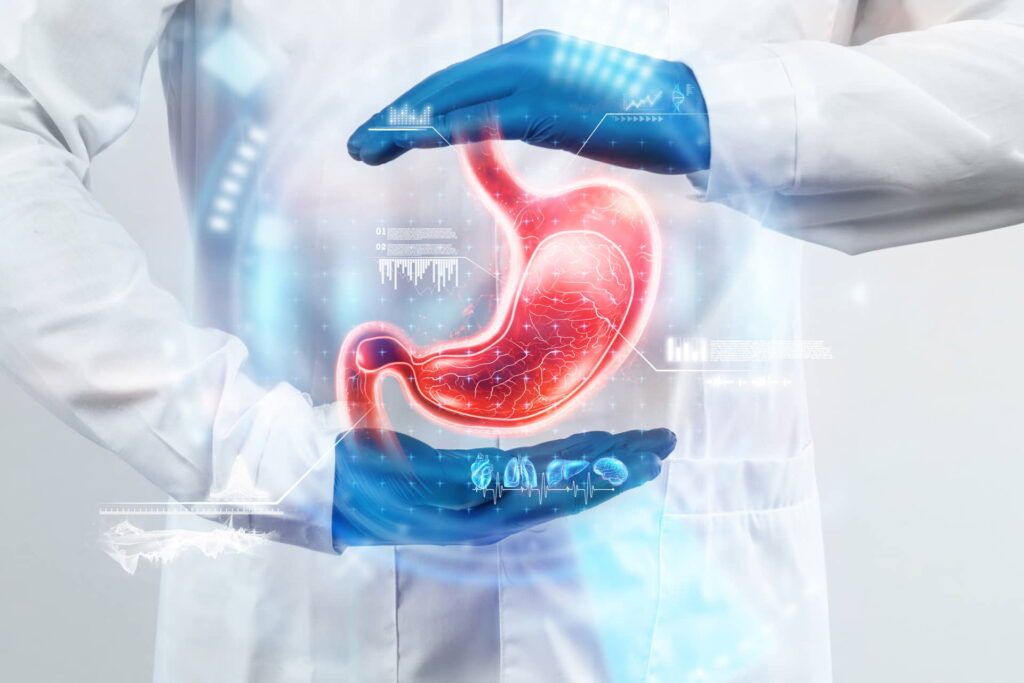
Stomach cancer ranks sixth among the leading causes of cancer death in Hong Kong. Causes of stomach cancer include Helicobacter pylori infection, obesity, smoking, and a long-term high-salt diet. Indigestion, upper abdominal pain, loss of appetite, and weight loss are among the most common symptoms of stomach cancer.
To prevent stomach cancer, the main focus should be on diet. Eat more fresh fruits and vegetables and reduce your intake of pickled foods. If you experience persistent symptoms such as indigestion or loss of appetite, you should pay special attention. Of course, don't forget your annual check-up, and be even more careful if you have a close relative who has had stomach cancer.
What is stomach cancer?
The stomach is part of the digestive system. Stomach cancer occurs when stomach cells develop into a malignant tumor via genetic mutation. According to the statistics provided by the Hospital Authority, more than 1,000 new cases are diagnosed each year. Therefore, stomach cancer is not rare and can be fatal. We should not underestimate it.
Survival Rate of Stomach Cancer
In 2019, stomach cancer accounted for 4.7% of all cancer deaths. The incidence of stomach cancer increases with age, with a median age of approximately 71 years.
>50%
First-phase five-year survival rate
~4%
Phase IV five-year survival rate
Symptoms of Stomach Cancer
Early symptoms of stomach cancer are often subtle and similar to ordinary stomach discomfort, leading patients to frequently underestimate its severity. By the time more than half of patients realize they have the disease and seek medical attention, it has usually spread to other tissues, reaching the middle or late stages. If you experience stomach discomfort, especially if it persists for a considerable period, it could be a warning sign of stomach cancer, and early examination is recommended.
Early Symptoms
- Persistent indigestion
- Loss of appetite and rapid weight loss
- Bloating after a meal
- Vomiting, or even hematemesis (vomiting blood)
- Blood in the stools or black stools
- Fatigue
- Swelling of the lower abdomen
Advanced Symptoms
- Loss of appetite
- Jaundice (yellowing of the skin and whites of the eyes)
- Ascites (excessive fluid accumulation in the abdominal cavity)
In the late stages of stomach cancer, cancer cells can cause obstruction of the stomach or large intestine, and may even have spread to the liver and large intestine.
If symptoms appear suddenly and last for about a month, you should be alert, as the larger the tumor, the more symptoms will appear. However, if the symptoms subside naturally within a week, there is no need to worry. Stomach cancer can be treated with chemotherapy and radiation therapy. If the side effects are severe, you should notify your doctor immediately.
Risk Factors of Stomach Cancer
Stomach cancer develops when the DNA of stomach cells undergoes a genetic mutation. Due to this DNA mutation, the cells grow rapidly and eventually form a tumor instead of dying. Cancer cells outnumber healthy cells and may spread to other parts of the body. Furthermore, stomach cancer is highly likely to be linked to Helicobacter pylori infection.
Important Note: According to the World Health Organization, Helicobacter pylori was classified as a Group 1 (definite) carcinogen in 1994. Over time, Helicobacter pylori can lead to stomach cancer.
- H. pylori infection
- Men are twice as likely as women to develop stomach cancer
- The chance of developing stomach cancer is higher after the age of 50
- Obesity
- Long-term consumption of high-sodium, marinated and smoked food
- Inadequate consumption of fruits and vegetables
- Smoking
- People who have family members with stomach cancer are more than twice as likely to develop stomach cancer than normal people.
- Gastric polyps and pernicious anemia
- Long-term exposure to specific hazardous environments (e.g. working in coal, metal, or rubber industries)

Gastric cancer screening and evaluation
Stomach cancer is primarily evaluated using endoscopy and radiation
Esophagus-gastric-duodenal endoscopy (gastroscopy)
Gastroscopy can reflect lesions that are originally invisible to the naked eye, thereby providing a basis for doctors to evaluate gastric cancer. The doctor uses a soft and flexible endoscope to enter the esophagus, stomach and duodenum through the mouth to conduct an upper gastrointestinal examination. The doctor can clearly observe the conditions or lesions in the stomach, such as abnormal cells, ulcers or polyps, etc. on the TV screen. Gastroscopy can not only directly observe lesions, but also take biopsies for pathological examination. It can also perform endoscopic diagnosis and treatment of many diseases, avoiding the trauma and risks brought to patients by traditional open diagnosis and treatment.
Therefore, gastroscopy has unparalleled advantages over other methods in observing gastrointestinal lesions above the descending duodenum.
Abdominal ultrasound scan and CT scan
There are countless possible causes of abdominal pain. The doctor will use an upper abdominal ultrasound to examine the liver, gallbladder, pancreas, spleen, and kidney for possible lesions. For example, the doctor will measure the size of each organ and identify the presence of hypertrophy, tumors or other abnormalities. It can also be used to diagnose diseases such as hepatitis, cirrhosis, gallstones, pancreatitis, stomach cancer, etc. Patients must fast for 6 hours before the test.

Treatment Methods for Stomach Cancer
- Radiology
*Radiology high-energy radiation destroys cancer cells. High-energy radiation damages the chromosomes (DNA) within cancer cells, causing them to die. While normal cells are also affected, radiation planning and precision have significantly improved over the past few decades, greatly reducing damage and side effects to surrounding benign cells. When appropriate, doctors may choose radiation therapy to shrink larger tumors. Radiation therapy kills any remaining cancer cells around the tumor, preventing recurrence and improving post-treatment survival rates.
- Chemotherapy
Chemotherapy utilizes one or more anticancer drugs, administered orally or by injection, to deliver these drugs through the bloodstream to various parts of the body, aiming to eliminate or inhibit the division and proliferation of cancer cells. This is also known as "pharmaceutical therapy." Furthermore, chemotherapy can produce adjunctive therapeutic effects. For cancers that are difficult to control, Chemotherapy combining treatment with radiation therapy can reduce the risk of cancer recurrence. Platinum-based chemotherapy drugs, paclitaxel, and 5-FU are standard treatment options for gastric cancer patients.
- Targeted Therapy
Some stomach cancer patients have a surface receptor called HER2, which, when overexpressed, promotes cancer cell proliferation. Using anti-HER2 drugs in combination with chemotherapy can significantly enhance the effectiveness of tumor shrinkage. Currently, there are multiple generations of HER2-targeted drugs and it's not just one generation; recently launched antibody-drug conjugates (ADCs) can recognize the HER2 receptor on cancer cells. When the drug precisely attaches to the cancer cell, the entire drug enters the cell nucleus of the cancer cell and then releases a high dose of chemotherapy drugs, thereby precisely killing cancer cells while minimizing damage to healthy cells.
- Immunotherapy
In recent years, immunotherapy has significantly rewritten the direction of diagnosis and treatment for advanced cancer. In the past, if gastric cancer patients did not express the HER2 receptor, they could not use targeted drugs and could only undergo chemotherapy. However, in recent years, it has been found that combining immunotherapy with chemotherapy can significantly improve the overall survival rate of patients. In particular, the effect is more significant when the expression of the immunotherapy receptor score PD-L1 (CPS) is higher than five, which increases the treatment options and new hope for patients with advanced gastric cancer.

Stomach cancer prevention
Stomach cancer has a relatively low survival rate, so we should develop good lifestyle habits from childhood to prevent stomach cancer. For example, adopting a cancer-preventive diet can help enhance the body's resistance and immunity, and reduce the risk of developing stomach cancer. Pay attention to daily personal hygiene to avoid Helicobacter pylori infection. If you continue to feel stomach discomfort, you should arrange for examination as soon as possible. It is also recommended that people over 40 years of age have a gastroscopy examination every year.
Dietary
- Cruciferous vegetables (e.g. broccoli, cabbage, kale etc.) contain cancer-fighting properties that help to break down carcinogens in the body.
- Fruits and vegetables rich in carotene (e.g. carrots, mangoes, papayas, etc.) help to strengthen the immune system and directly reduce the chance of developing cancer.
- Foods rich in vitamin C (e.g. oranges, grapefruits, strawberries, etc.) have antioxidant properties that can reduce the chance of developing stomach cancer.
- Avoid eating marinated, smoked, and grilled foods (e.g. sausages, salted egg, ham, preserved meat, salted fish, etc.) as carcinogenic compounds are released during the production process.
- Avoid fried food. The free radicals released during the frying process will reduce the oxygen content of body tissues and damage them.
Personal Hygiene
- Wash your hands frequently and avoid contact with excrement.
- Avoid Helicobacter pylori infection
Regular Check-ups
- People over 40 years of age should have a gastroscopy examination every year.
- Those with a family history of the disease should be especially careful.
Stomach Cancer FAQ
Stomach ulcers themselves do not cause stomach cancer, but stomach cancer can present itself in the form of stomach ulcers. Additionally, long-term H. pylori infection can cause intestinal metaplasia of the normal gastric mucosa, which can progress to stomach cancer even without the appearance of stomach ulcers.
Although the symptoms of stomach ulcers and stomach cancer are similar, we can distinguish between the two by the timing of the pain, especially before and after meals. As a tumor grows, it may press against the esophagus, causing stomach pain after meals due to the friction between food and the tumor. However, if the pain occurs on an empty stomach and subsides after eating, it is more likely a symptom of a stomach ulcer caused by stomach acid.
It may be surprising to learn that a person can live without a stomach. However, the body is able to bypass the stomach's primary function of storing and breaking down food and gradually deliver the food to the intestines. Small amounts of food can enter the small intestine directly from the oesophagus without the stomach.
According to the data from the World Cancer Research Fund, stomach cancer is the 4th most common type of cancer in the world. According to the survey statistics, East Asian countries such as China, Japan and Korea have the highest number of diagnosed stomach cancer cases in the world, but Asian people have a higher survival rate for stomach cancer. Currently, the number of accumulated cases of stomach cancer is one million, accounting for 8% of all cancers, and is predicted to increase to 1.7 million by 2030.
The early symptoms of stomach cancer are similar to those of stomach diseases, such as bloating and dull pain in the upper abdomen, acid reflux, loss of appetite, anaemia, weakness, and other mild symptoms. When obvious symptoms such as sudden weight loss, black stools, anorexia, difficulty in swallowing, severe anaemia, and fatigue appear, it means that the disease has reached the intermediate or advanced stage and the patient has missed the chance for early detection.
Complications associated with stomach cancer include: gastrointestinal bleeding, peritoneal metastasis, pyloric obstruction, and diffuse peritonitis due to tumor perforation, among others. These are some common complications that arise as the disease progresses. It is important to remind stomach cancer patients to take precautions and seek proper diagnosis and treatment after diagnosis to avoid more serious consequences.
Hotline
-
Telephone Inquiry
New customer inquiry: 3001 5810
Existing customers: 2156 5838 -
WhatsApp inquiry
3001 5810 -
E-mail
enquiry@reviveonco.com.hk -
Opening Hours
Mon-Fri: 9:30am - 6:30pm
Sat: 9:30am - 1:30pm
Closed on Sundays and Hong Kong public holidays -
Mong Kok Clinic
12/F, Office Tower, Langham Place, 8 Argyle Street, Mong Kok, Kowloon
Fax: 3579 0153
EC Specialists Premium (PHF No.: DP000104)